Study in Canada from Nepal
CanadaAffordable degrees, open doors.
Canada pairs moderate tuition with the most straightforward immigration route of any major destination. Since 2024 the rules have tightened — a Provincial Attestation Letter is now part of most applications — which makes choosing the right institution and program more consequential than ever.
 Toronto, Ontario
Why Canada
What makes it
worth the move.
The case for Canada is specific, not general. These are the four things that actually change outcomes for Nepali students.
Cost against quality
Tuition and living costs sit well below the United States and United Kingdom while research output and teaching standards stay high.
Permanent residency by design
Express Entry and Provincial Nominee Programs award points for Canadian study and Canadian work experience — the system is built to retain graduates.
Post-graduation work permit
A PGWP of up to three years is the single most valuable graduate work right on offer anywhere, provided your program qualifies.
Safe, multicultural cities
Toronto, Vancouver, Calgary and Winnipeg have long-established Nepali communities and strong student support networks.
Universities
Where our students go.
A shortlist should always span reach, match and safety. These are the institutions we most often place students in — the right one for you depends on your grades, budget and target occupation.
University of Toronto
Canada’s highest-ranked university; deep research strength across every faculty.
University of British Columbia
Global top-50 with outstanding engineering, forestry and computer science.
McGill University
English-medium in a French city, famous for medicine and life sciences.
University of Alberta
Strong engineering and energy programs with comparatively low tuition.
University of Waterloo
The co-op model — paid work terms built into engineering and CS degrees.
University of Manitoba
Affordable tuition and a well-trodden PR pathway through the provincial program.
Conestoga College
Large Nepali cohort; diploma and post-graduate programs tied to local employment.
Humber College
Career-focused diplomas in business, hospitality and engineering technology.
Popular Courses
Fields that lead somewhere.
We advise on course choice from the destination country's demand side, not from what is easiest to get into.
Business & Management
Post-graduate diplomas and MBAs with co-op options across Ontario and BC.
Computer Science & IT
Software, cloud and data programs with strong co-op placement rates.
Health Care Assistant / Nursing
Direct route into a sector with sustained shortage across provinces.
Engineering Technology
Two-year diplomas that articulate into degree programs and trades licensing.
Supply Chain & Logistics
Consistently on provincial in-demand lists with solid graduate salaries.
Early Childhood Education
Short programs with high employment and PR-friendly occupation coding.
Cost of Study
What it really costs.
Indicative figures for planning. In your counseling session we build a full budget in Nepali rupees against your specific institution, city and family situation.
| Item | Indicative range (CAD / year) | Notes |
|---|---|---|
| College diploma tuition | 15,000 – 20,000 | Two-year programs; the most common Nepali choice |
| University bachelor tuition | 20,000 – 35,000 | Engineering and business at the top of the range |
| Master tuition | 20,000 – 40,000 | Course-based masters cost more than research routes |
| Living costs | 20,635 (single) | The GIC figure required as proof of funds |
| Study permit + biometrics | 235 | Government processing charges |
Figures move with policy and exchange rates. We confirm current requirements against the official source before any application is filed.
Admission Requirements
What you need
to qualify.
Requirements vary by institution, but these four areas decide every application.
Academic
+2 with 60%+ for diploma and bachelor entry. Post-graduate diplomas need a completed bachelor degree; masters typically ask for 70%+ and sometimes GRE.
English
IELTS 6.0–6.5 overall with no band under 6.0 for most university programs; 6.0 overall with no band under 5.5 is common for college diplomas.
Provincial Attestation Letter
Most study permit applications now require a PAL or TAL from the province, issued through your institution — one more reason to apply early.
Financial
A Guaranteed Investment Certificate covering living costs plus first-year tuition, with documented income sources behind it.
Documents we'll prepare with you
Bring what you have. We build the rest, and we check every page before anything is filed.
Intakes
When to apply.
Start eight to ten months before your intended intake. Applications filed late in a cycle face fewer places, tighter scholarship budgets and slower visa processing.
September
The primary intake with the fullest program list and most scholarships.
January
A strong second intake, widely available at colleges and universities.
May
Smaller intake, mostly college programs and select university courses.
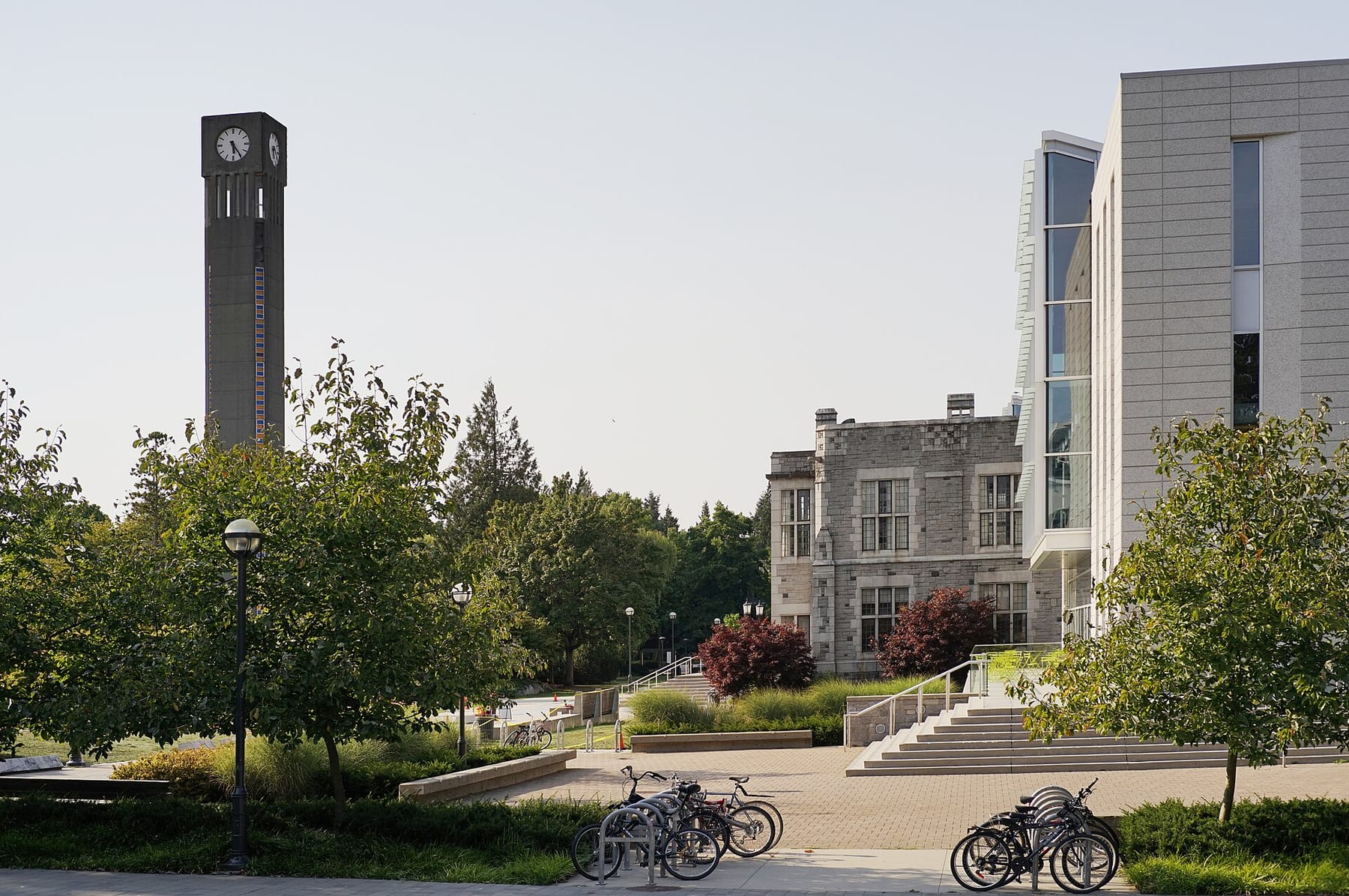 University of British Columbia, Vancouver
Visa Process
Offer letter to
departure.
Five stages, handled by our documentation desk. You are told exactly what is needed at each one, and what it will cost.
Program and institution shortlist
We check that your program is PGWP-eligible and that the institution can issue a PAL before you spend a rupee on applications.
Letter of Acceptance
Applications filed to two or three institutions; acceptance letters typically arrive in two to six weeks.
GIC and tuition payment
Open a Guaranteed Investment Certificate with a participating bank and pay the required tuition instalment.
Study permit application
Filed online with your PAL, LOA, GIC, financial history and statement of purpose. Medical examination completed in Kathmandu.
Biometrics and decision
Biometrics submitted at the local centre; processing generally runs six to sixteen weeks depending on season.
“The visa is not a lottery. It is a file — and a well-built file gets approved.”
Work rights &
after graduation
Scholarships
Money you might not be asking for.
Most students who qualify for funding never apply for it. We check every award your profile fits before submitting an application.
Entrance scholarships
Automatic awards of CAD 2,000–10,000 based on academic average at most universities.
Program-specific bursaries
Colleges often waive part of a first-semester fee for strong applicants — we ask on your behalf.
Graduate funding
Research masters and doctoral students can access supervisor-funded assistantships that cover tuition and pay a stipend.
Questions We Get
Honest answers.
What is a PAL and do I need one?
Is a diploma as good as a degree for immigration?
Can my spouse work in Canada?
How long does a Canadian study permit take from Nepal?
Compare
Other destinations.
Almost no student arrives certain. Read two or three of these side by side before you decide.
Is Canada right
for you?
Bring your transcripts and your budget. In one free session we will tell you honestly whether Canada fits — and what the alternative would be if it does not.
Walk-in welcome · New Baneshwor, Kathmandu